The Organization as a Machine

This model emerged with the Industrial Revolution and is typical of modern bureaucracy. The world is viewed through the lens of a machine designed to achieve mass production.

The organization must operate like a machine and be efficient, turning its gears as quickly as possible to achieve maximum output under efficient conditions. The principles of this model involved organizing regular and repetitive work through the division of labor.

Contact us
The Organization as an Organism

According to this model, the organization is viewed as a living organism, which can be healthy, become ill, and we can further reinforce the model with more metaphors.

This representation is typical of the contemporary era and emerged when biology attempted to explain how biological systems relate to the environment, also known as Dependency Theory.

The advantage of this model lies in its understanding of the environment, focusing on the surroundings.

Contact us
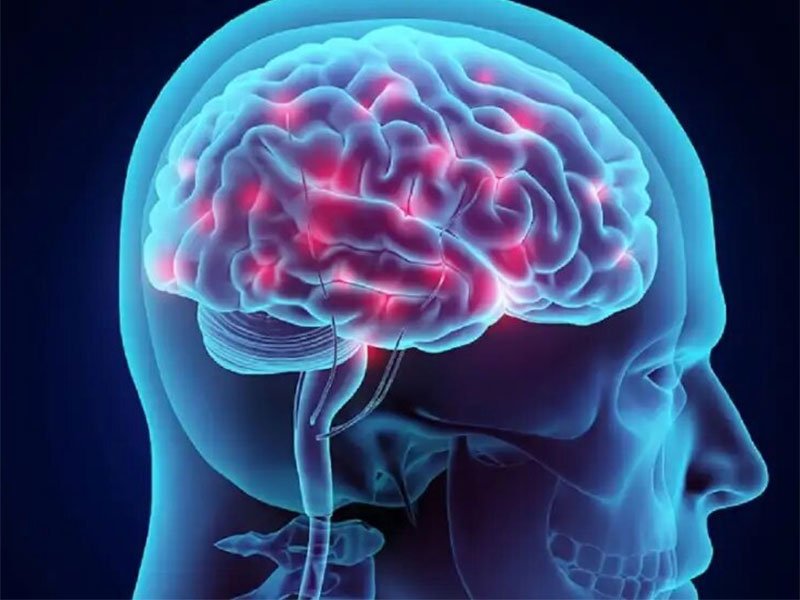
The Organization as a Brain

This type of organization is the image of structure at the beginning of the New Millennium. The organization learns from its experience and its mistakes; the role of the brain is to learn, provide answers to problems, and create.

Today’s challenge is to create learning structures, intelligent organizations, flexible enough to react quickly to the changing environment.

Memory is distributed throughout every brain cell via a vast network of connectivity. Each member of the organization has a brain and functions as a brain cell within the organization.

Contact us
The nature and scope of entrepreneurial activity consists of creating value.

Creating value means adding value by using scarce resources, continuously increasing value for customers and shareholders.

Increasing value means having higher revenues, creating better products, achieving higher quality levels, having better competitive advantages, better service, continuously improving employee motivation and training, better product distribution, creating new products, better innovations, being flexible to anticipate market trends and technological inventions, continuously reducing costs by seeking better production processes, integrating suppliers, better control systems, better productivity, better logistics and warehousing, and better financing rates.

Contact us